Technology has always shaped the way we communicate, work, and manage our daily lives. Over the past decade, one device in particular has quietly transformed how people interact with technology: the smartwatch. What began as a simple accessory for checking notifications has evolved into a powerful wearable computer capable of tracking health, improving productivity, and connecting users with their digital world in more intuitive ways.
As wearable technology becomes more advanced, smartwatches are redefining the relationship between humans and devices. Instead of relying entirely on smartphones or computers, users now have access to powerful tools directly on their wrists.
From monitoring fitness to managing schedules, smartwatches are changing how technology integrates into everyday life.
For fitness enthusiasts in particular, smartwatches have become essential tools. Many people researching smartwatches for athletes are discovering how these devices can optimise training, track recovery, and provide insights that were once only available in professional sports laboratories.
Contents
A More Seamless Relationship With Technology
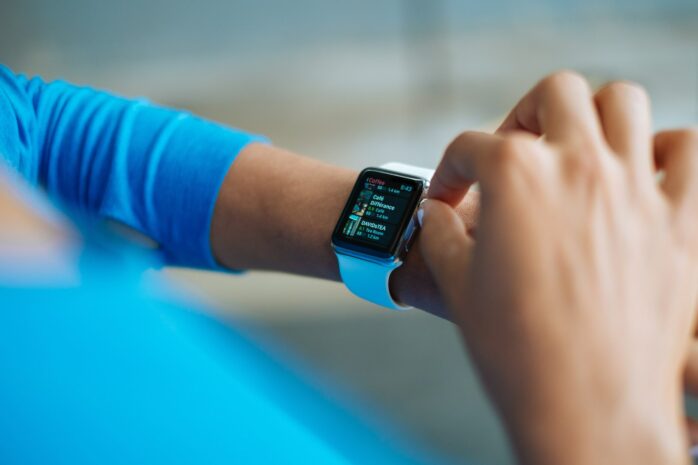
One of the most significant ways smartwatches are transforming technology use is by making digital interactions faster and more seamless. Instead of pulling out a phone to check messages, read notifications, or control music, users can glance at their wrist and get the information they need instantly.
This shift may seem small, but it represents a major change in how people engage with technology. Smartwatches reduce the need for constant phone use, allowing people to stay connected without becoming distracted by endless scrolling or notifications.
Many professionals find that wearable technology helps them stay organised without interrupting their workflow. Calendar reminders, meeting alerts, and quick replies make it easier to manage busy schedules while remaining present in conversations or tasks.
Personal Health Monitoring in Real Time
Perhaps the most revolutionary aspect of smartwatches is their ability to monitor health metrics in real time. Modern devices can track:
- Heart rate
- Blood oxygen levels
- Sleep patterns
- Stress levels
- Physical activity
- Calories burned
These features provide users with a deeper understanding of their bodies and habits. Instead of relying on occasional medical check-ups or manual tracking, people now have continuous insights into their wellbeing.
For many users, this data can lead to healthier lifestyle choices. Seeing patterns in sleep quality, activity levels, or heart rate variability can motivate individuals to exercise more, manage stress, and prioritise rest.
Some smartwatches can even detect abnormal heart rhythms or sudden falls, offering safety features that may help users seek medical attention sooner.
The Rise of Personal Fitness Coaching
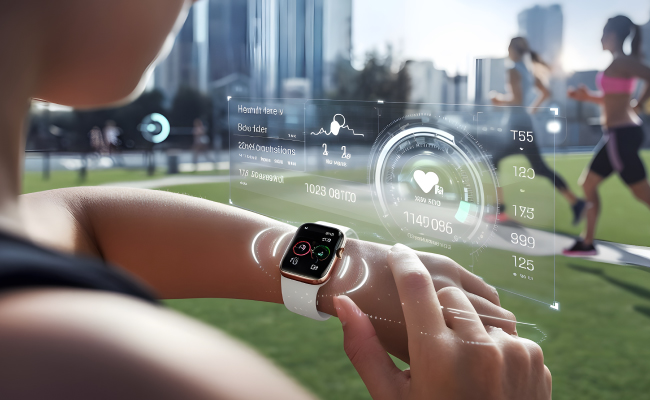
Smartwatches are also transforming the fitness industry by providing personalised training guidance. Advanced algorithms analyse activity data and offer recommendations based on performance and recovery.
For example, many devices now provide features such as:
- Training load analysis
- VO₂ max estimates
- Recovery time recommendations
- Workout tracking across multiple sports
- Performance trends over time
This level of feedback allows individuals to train smarter rather than simply training harder. Athletes and casual exercisers alike can better understand how their bodies respond to different workouts.
In many ways, smartwatches are becoming digital coaches that help people set goals, track progress, and maintain consistency.
Greater Independence From Smartphones
Another important shift created by smartwatches is the growing independence from smartphones. While early models required constant phone connectivity, modern devices are increasingly capable of functioning on their own.
Many smartwatches now include features such as:
- Built-in GPS
- Cellular connectivity
- Music storage and streaming
- Contactless payments
- Voice assistants
These capabilities allow users to leave their phones behind during workouts, short errands, or walks. This convenience has changed the way people think about mobile technology.
Instead of carrying a device everywhere, users can rely on a smaller, more accessible wearable.
Enhancing Safety and Communication
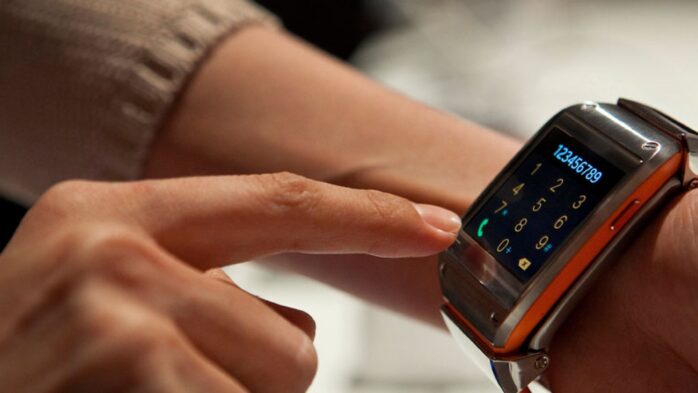
Smartwatches also play an important role in safety and emergency communication. With built-in GPS and communication tools, many devices allow users to send location updates or emergency alerts to contacts.
For outdoor adventurers, runners, and cyclists, this feature adds peace of mind when training alone. Some devices can automatically alert emergency contacts if a user experiences a fall or sudden impact.
Parents also appreciate smartwatches designed for children, which provide location tracking and limited communication capabilities without the full distraction of a smartphone.
A Gateway to the Internet of Things
Smartwatches are becoming central hubs in the growing Internet of Things (IoT) ecosystem. Many devices now connect seamlessly with smart home technology, allowing users to control their environment from their wrist.
With a few taps, a smartwatch can:
- Adjust home lighting
- Lock or unlock doors
- Control music systems
- Manage smart thermostats
- Trigger home automation routines
This convenience reflects a broader trend in technology: moving toward effortless interaction between devices.
Encouraging Mindful Technology Use
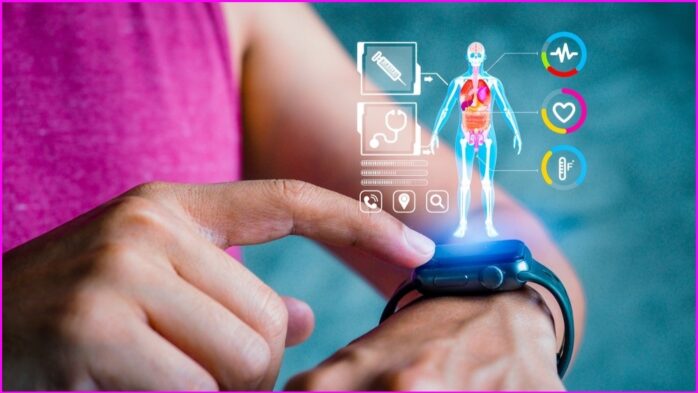
Interestingly, while smartwatches are advanced pieces of technology, they may actually help people develop healthier relationships with their digital devices.
Because smartwatches provide quick access to essential information without opening full applications, they reduce the temptation to spend extended time browsing social media or other distracting platforms.
In this sense, wearable technology promotes more mindful technology use. Users can stay connected and informed while still maintaining focus on real-world activities.
The Future of Wearable Technology
The evolution of smartwatches is far from complete. As sensors become more sophisticated and battery technology improves, future devices are likely to offer even more advanced capabilities.
Potential developments may include:
- Non-invasive blood glucose monitoring
- Advanced stress and mental health tracking
- Enhanced biometric security features
- Integration with augmented reality systems
- Improved predictive health analytics
These innovations could further transform healthcare, fitness, and everyday technology use.
Final Thoughts
Smartwatches represent one of the most significant shifts in personal technology since the rise of the smartphone. By placing powerful tools directly on the wrist, these devices are changing how people interact with digital information, manage their health, and stay connected.
From fitness tracking and productivity tools to safety features and smart home integration, smartwatches are becoming indispensable companions in modern life. As wearable technology continues to evolve, it will likely play an even greater role in shaping how we experience and use technology in the years ahead.