A new sports season always looks manageable until football, basketball, hockey, college games, fantasy deadlines, and ticket releases begin landing on the same weekends.
The NHL’s 2026-27 regular-season schedule alone contains 1,344 games, so relying on memory is a risky strategy.
How many big matchups have you discovered only after the final whistle? And how often have ticket prices jumped before you made a decision?
This guide highlights the important sports dates worth saving now, explains which deadlines matter most, and shows how to build a practical sports calendar without filling every day with alerts.
Contents
Here’s What’s Inside
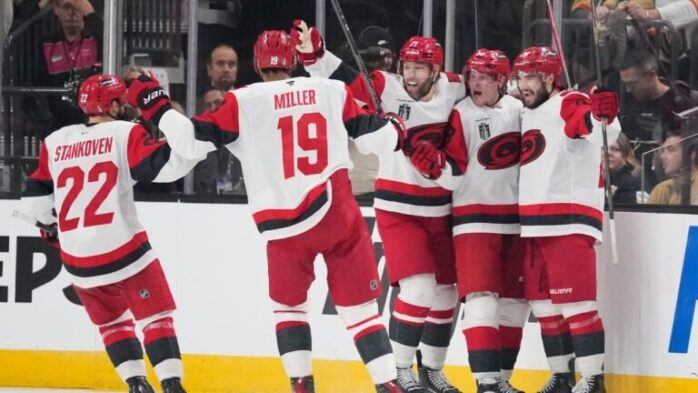
The best sports calendar is not a giant list of every fixture. It is a short, useful plan that separates must-watch events from games you can follow through highlights.
Start by identifying the competitions, teams, and fantasy leagues that genuinely affect your week.
- Opening weekends and first meaningful matchdays
- Rivalries, international games, and special events
- Playoff rounds, finals, and title-deciding dates
- Ticket, fantasy, and streaming deadlines
The good news? Fortunately, you do not need to plan the entire year in one sitting.
Add the fixed dates first, then update individual team fixtures when broadcasters confirm kickoff times.
That approach gives you structure while leaving room for schedule changes, postponed games, and the occasional surprise run.
Build One Calendar Before the Fixtures Pile Up
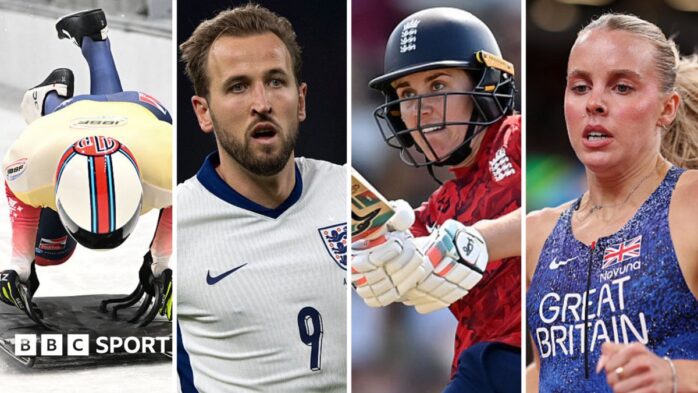
Here’s the thing, sports schedules become difficult when they are spread across league apps, screenshots, group chats, and bookmarked pages.
The simplest fix is building your calendar before opening weekend, then using it as the single place for major games and reminders.
A personalized design can also separate competitions visually without requiring advanced design experience.
Use three levels of importance:
- Must watch live
- Watch if available
- Check the result later
Add travel time, ticket-release reminders, and fantasy deadlines as separate entries. Do not import every fixture automatically unless you truly want hundreds of notifications.
A curated calendar is easier to trust, faster to scan, and far less likely to make an important date disappear in the noise.
Mark the Premier League and Champions League Milestones
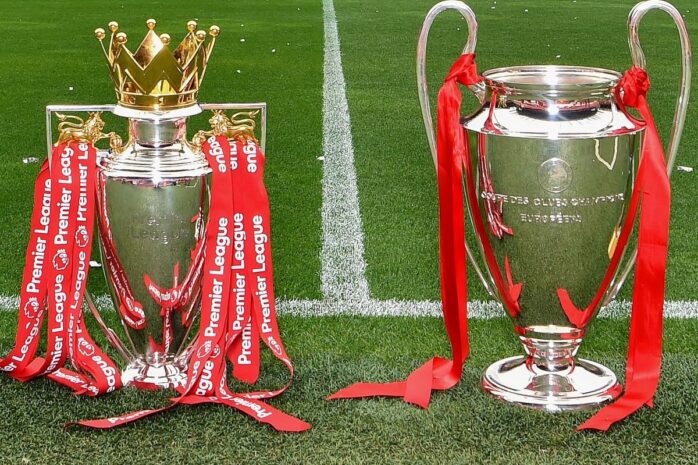
For football fans, August is where the calendar starts moving quickly. The 2026-27 Premier League begins on Friday, August 21, 2026, and finishes on Sunday, May 30, 2027.
The Champions League league-phase draw follows on August 27, while Matchday 1 runs from September 8 to 10. The final is scheduled for June 5, 2027, at Estadio Metropolitano in Madrid.
The Premier League season is arranged across 33 weekends and five midweek match rounds, which means busy stretches are built into the schedule.
Save your club’s opening match, major derbies, the final league-phase matchday on January 27, and the knockout rounds.
Those dates matter because domestic and European fixtures can create rotation, fatigue, and sudden broadcast changes.
Put NFL and College Football Weekends in Early
The NFL’s 2026 Kickoff Weekend runs September 9-10 and September 13-14, with an international game in Melbourne on September 10.
The league also has international dates in Rio de Janeiro on September 27 and Munich on November 15, giving overseas fans several games that may begin outside familiar Sunday windows.
College football starts even earlier. NCAA coverage lists August 27 for the opening Week Zero action, while the main FBS slate begins August 29.
The College Football Playoff first round is set for December 18-19, with the national championship scheduled for January 25, 2027, in Las Vegas.
Circle rivalry week, conference championship weekend, and playoff selection day too. Those dates often shape travel plans, fantasy decisions, and holiday viewing.
Track Basketball and Hockey Beyond Opening Night
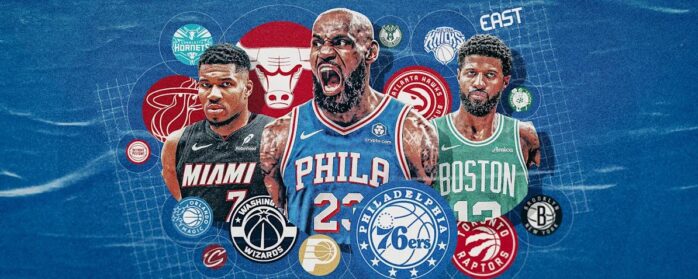
Basketball and hockey calendars reward fans who look past the first game. The NHL season opens September 29, 2026, and every team will play 84 games.
Useful dates include the Heritage Classic on October 25, the Winter Classic on December 31, All-Star events on February 5-6, and the regular-season finale on April 10, 2027.
The NBA’s confirmed calendar includes the NBA Cup group-stage opener on October 30, quarterfinals on December 4-5, semifinals on December 8 or 9, and the championship on December 11. NBA All-Star weekend follows February 19-21 in Phoenix.
Did you know? All 32 NHL teams are scheduled to play on October 13 and April 10, creating two especially packed viewing days.
Keep the Biggest Dates in One Quick-Reference Table
A table gives you the season’s backbone before individual team schedules become complicated. Save these dates first, then add your club or franchise-specific games underneath them.
| Date | Event | Why It Matters |
|---|---|---|
| August 21, 2026 | Premier League begins | First major European league weekend |
| August 27, 2026 | Champions League league-phase draw | Opponents and travel plans become clear |
| September 9, 2026 | NFL season kickoff | Start of the regular-season race |
| September 29, 2026 | NHL opening night | First night of the expanded 84-game season |
| December 18-19, 2026 | CFP first round | Campus playoff games begin |
| February 14, 2027 | Super Bowl LXI | NFL championship in Los Angeles |
| June 5, 2027 | Champions League final | European club football’s biggest final |
Add Rivalries, International Games, and Special Events
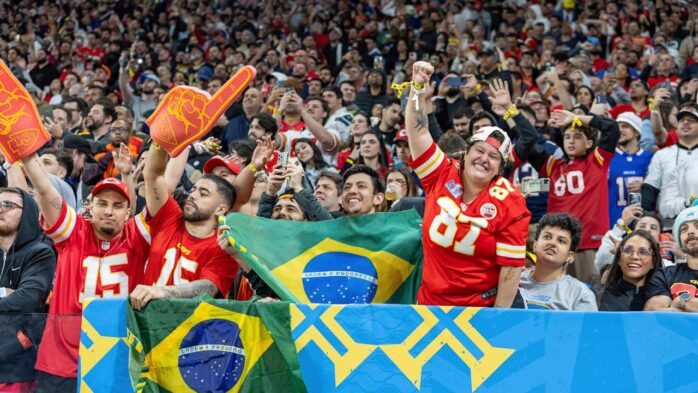
Opening dates are predictable. Rivalries and special events are where the season gains personality.
Add your team’s derby games, championship rematches, outdoor games, overseas fixtures, and holiday matchups as soon as official schedules confirm them.
These events often have different kickoff times, stronger ticket demand, and heavier television coverage.
For example, the NHL calendar includes Global Series games in Finland on November 12 and 14, plus games in Germany on December 18 and 20.
Its Winter Classic arrives on December 31, while the NFL’s international schedule stretches across several countries.
Let’s take a closer look at your own priorities. A neutral-site game may be optional on television but essential if it is the closest your favorite team will play to your city all year.
Set Reminders for Tickets, Fantasy, and Broadcast Changes
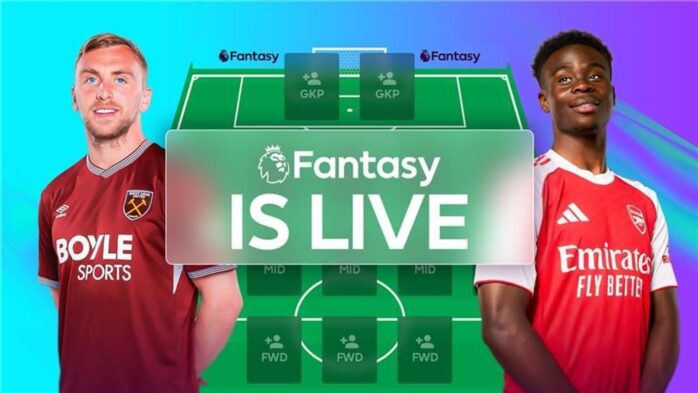
The match date is one deadline. Fans also need reminders for ticket presales, fantasy drafts, lineup locks, travel bookings, and streaming renewals.
Set the first notification before action is required, not five minutes before the game starts.
Check these items before saving an event:
- Local time zone
- Confirmed broadcaster
- Venue and travel time
- Ticket-transfer rules
- Fantasy lineup deadline
Broadcast schedules can move football matches, while playoff opponents and venues may remain unknown until earlier rounds finish. Keep tentative events labeled and review them once a week.
The practical rule is simple: use official league and team pages as the authority, especially before purchasing tickets or arranging travel.
A calendar should reduce stress, not create false confidence around a date that may still change.
Make the Season Easier to Follow

A useful sports calendar does not need every match, every alert, or every possible competition. Start with opening weekends, major rivalry games, playoff rounds, and finals. Then add the practical deadlines that affect whether you can actually watch or attend them.
The calendar already includes a Premier League start on August 21, an NFL kickoff on September 9, an NHL opener on September 29, and postseason dates stretching into June 2027.
Save one or two competitions first, review the calendar weekly, and expand only when the system feels helpful.